The Tokusatsu genre has been one of my all-time favorites since I was first introduced to Mighty Morphin’ Power Rangers back in the ‘90s. Of course, back then, I didn’t know the word Tokusatsu nor had I any idea about its long history in Japan, including its roots in Godzilla films, another favorite of my childhood. I just knew that I loved watching these groups of helmeted superheroes slaying monsters, often with giant fiery explosions and mecha battles abound.
For those not in the know, Tokusatsu is a subgenre of Japanese film and television largely known for its extensive use of special effects. Giant rubber-suited monsters, intense martial arts sequences, and more pyrotechnics than a Disney World fireworks spectacular are just some of the trademarks of this beloved and long-lasting genre.
Kamen Rider, first introduced fighting literal Nazis in 1971, is one of the most popular franchises in the genre. Made by the Toei Company, Kamen Rider is sort of like Power Rangers’ darker, edgier older brother. Meant for older kids, the series features more intense and serious storylines that delve into the morally grey, with the heroes gaining their powers in the same fashion as the villains in nearly every case (one of my favorite tropes in storytelling, by the way). It can be silly and fun and over-the-top, but it can also shatter your heart by killing a beloved character in an epic final showdown.
In short, Kamen Rider is probably my favorite franchise of all time, which is odd considering I was only really introduced to the show about three years ago (at the time of writing). However, in that time, I have dove headfirst into the series and binged my way through eleven seasons, while also watching some of Power Rangers Japanese counterpart, Super Sentai. To cleanse the palette. Expect another list for that franchise, as well. With that said, I have created my own personal ranking of the seasons I have watched. Let me know your favorites in the comments.
11. Kamen Rider Ghost
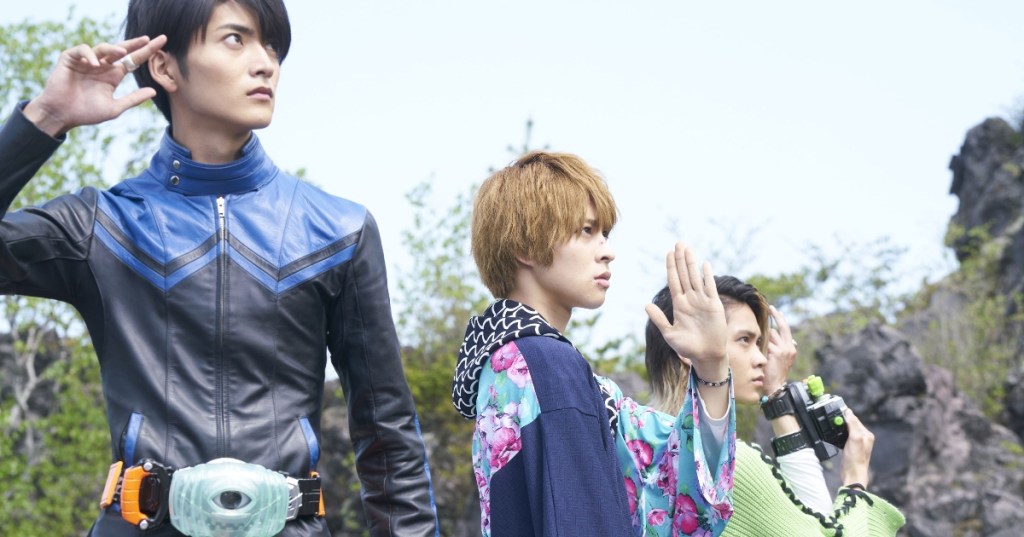
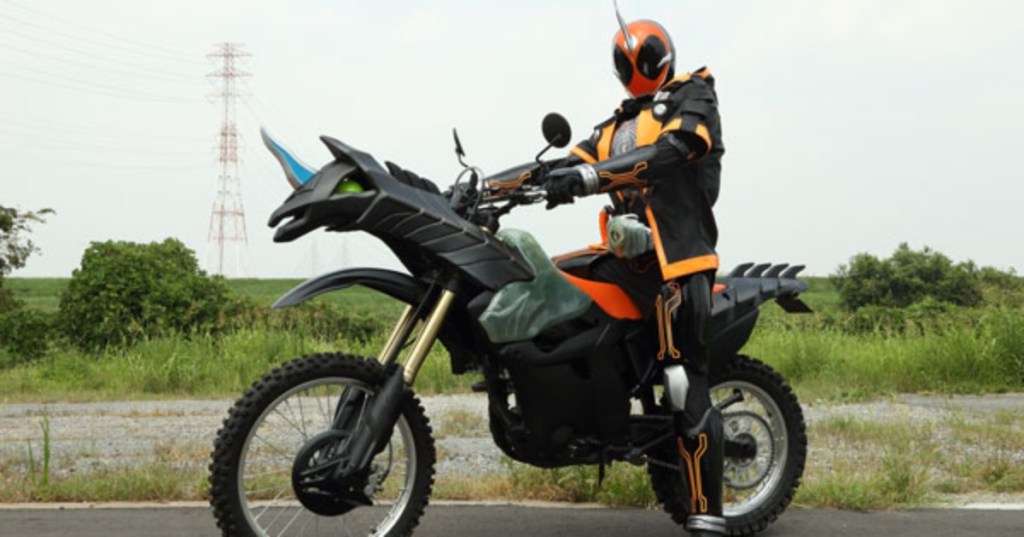
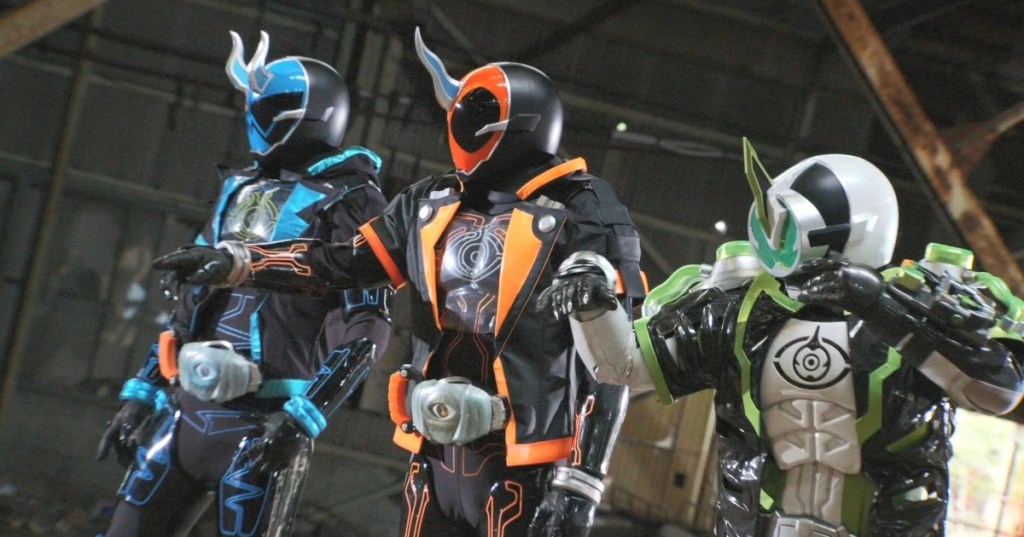
Kamen Rider Ghost is about Tenkuji Takeru, the caretaker of Daitenku temple and a ghost hunter who is murdered by ghosts on his eighteenth birthday. Now a ghost himself, Takeru discovers that his soul has bonded to a device known as an Eyecon. To revive himself, Takeru has 99 days to collect fifteen Eyecons bearing the souls of humanity’s greatest. However, the ghosts who originally attacked him, known as Gamma, are also hunting the Eyecons, and they are willing to cut down anyone who stands in their way. Using the Eyecons, Takeru transforms himself into the title hero, taking on the powers of Musashi, Isaac Newton, and other famous spirits to battle the Gamma and save his own life.
This is the perfect point to mention that there are no bad seasons here. I loved Ghost. It was goofy and weird, and some of the characters were just so bizarre, but those just acted as added flavor for this ambitious season. The way I “ranked” these seasons was more in how likely I was to rewatch it, and even though Ghost is at the bottom, I would gladly reexperience the series again. I would just choose to rewatch others first if I had to make the decision.
Ghost has such a chaotic atmosphere. It really leans into the monster-of-the-week formula, which aids and hinders it in equal measure. The heavily episodic plots, especially throughout the first half, can make it seem very disjointed at times, but I never once lost interest in the various storylines, especially as Takeru gained more spirits and powers. It was ALWAYS a surprise to see which “heroes” came next, and the themes, notably human potential, led to some incredible moments. This season wasn’t the strongest in terms of plot or characterization, but in all, it was enjoyable. Just not the one I’d first introduce to new viewers.
10. Kamen Rider Revice

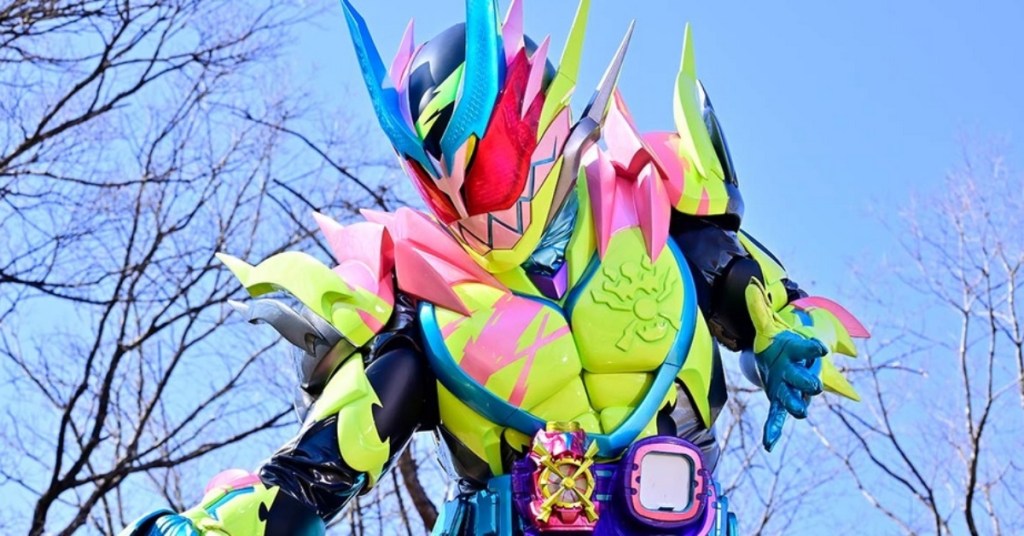
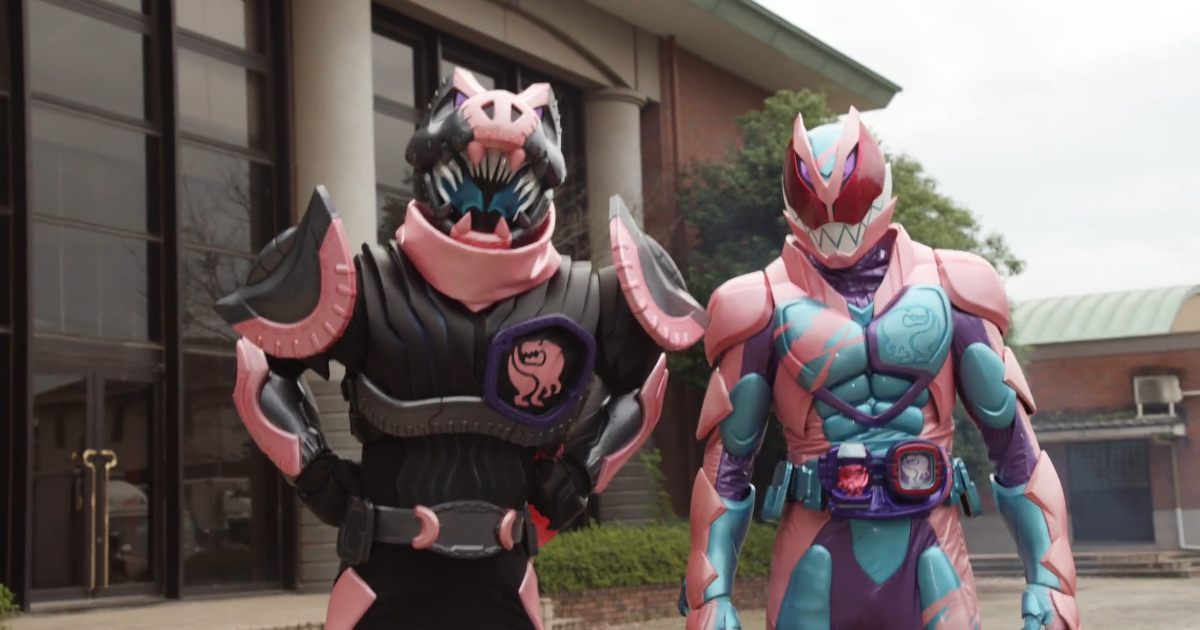
In Kamen Rider Revice, demons are real, and they live inside every human being. Using Vistamps, devices made using the genomes of animals, a person can summon these inner demons or transform into them. Igarashi Ikki, the oldest son of a family that runs a bath house, inherits the Revice Driver from the Fenix organization after an attack from the Deadmans, a cult that worships a demon known as Giff. Ikki gains the power to summon Vice, his personal inner demon, to help him battle the monsters created by the Deadmans and protect his family.
There are a lot of viewers that dislike Revice, and I can see why. It is one of the more bizarre and disjointed seasons on this list, and the insane comedy isn’t to everybody’s taste. The season was filmed during the COVID pandemic, as well. This led to several limitations on the plot and filming, which is apparent in some of the action sequences and character moments. However, if you can look past its flaws, you’ll find one of the funniest and most entertaining seasons in the series.
Revice is a wild season, as evidenced by Vice, who has clear inspirations from Marvel’s Deadpool. It is insane and funny, but it never fails to take itself seriously. The family dynamic at the heart sets it apart from other seasons, and the intense focus on characterization made me fall in love with the entire cast, even most of the villains (and those I didn’t love, I certainly loved to hate). There is a lot to love, and while it doesn’t shine as an anniversary season, it does tell an engaging story of love and family during a time of incredible stress, which reflects the state of the world during which it released.
9. Kamen Rider Saber
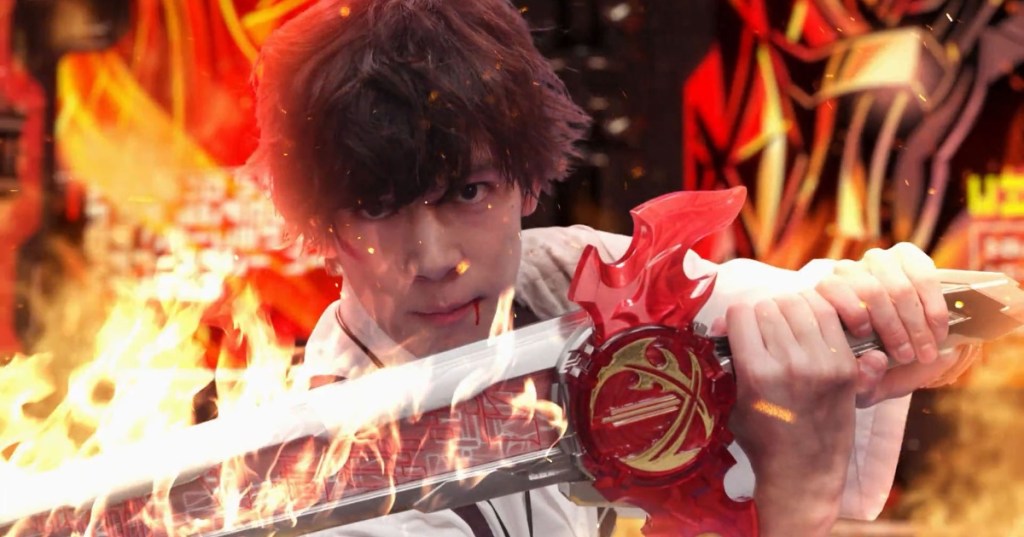

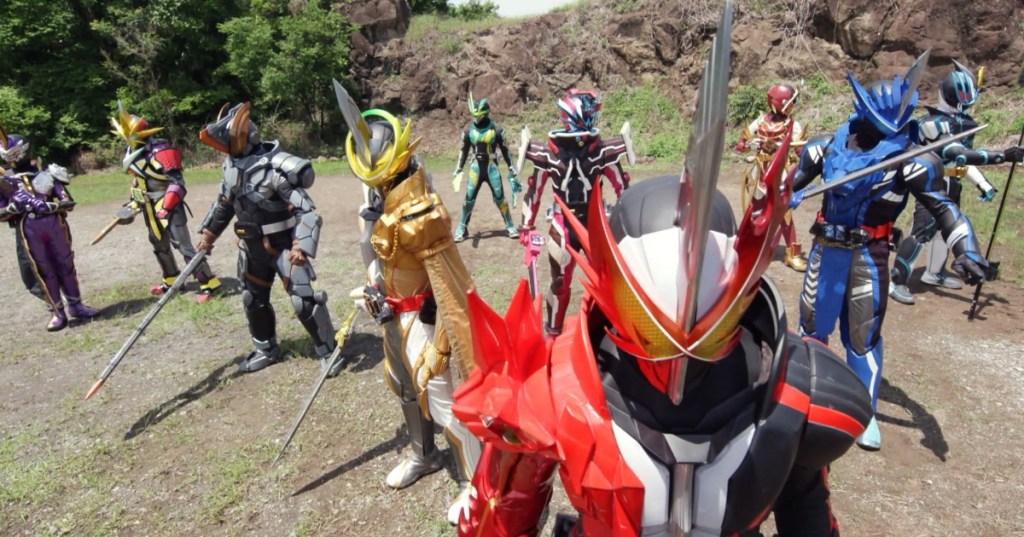
Long before the start of Kamen Rider Saber, the Almighty Book, containing all of humanity’s knowledge and stories, was destroyed, scattering its pages around the world. The Sword of Logos, a secret society of knights devoted to defending humanity, has battled the Megid race for centuries in pursuit of these pages, which have become powerful the Wonder Books. In the present, novelist Kamiyama Touma is thrust into this battle when he is chosen by the Flame Sword Rekka. As secrets from his past come to light and corruption within the Sword of Logos turns his allies against him, however, Touma must find his own way in this war of stories.
To put it simply, Kamen Rider Saber is just okay. It is insanely ambitious, especially given the massive cast of Riders and the huge effects budget required, but it never quite lives up to those ambitions. The series feels rushed, with none of the villains or worldbuilding getting a chance to shine in light of the huge cast of characters and intense fight sequences.
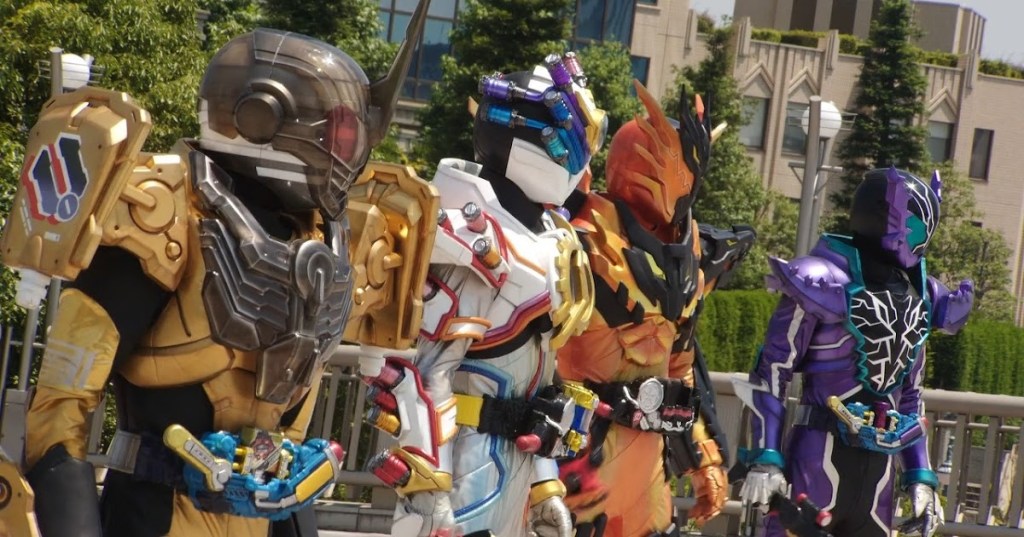
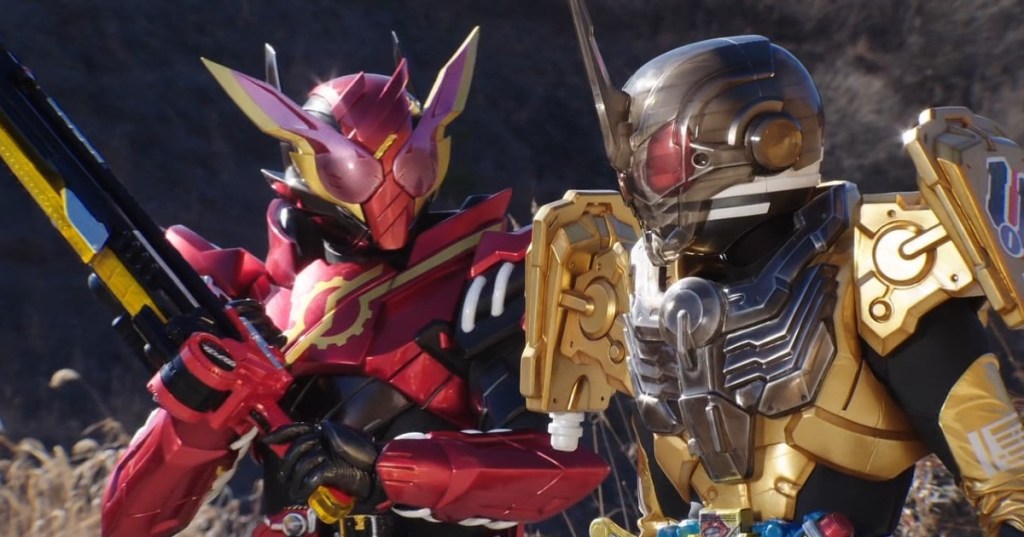
Kamen Rider Saber has its issues, but I am a sucker for great character design, and Saber has that in spades. Seriously, visually, this might be one of the best seasons in the franchise. The knight designs for each Kamen Rider were incredible in both execution and variation; you could easily see the influences for each design, and they only got better as the season continued on. I’m also a huge book nerd, so the storytelling theme and the use of famous pieces of literature as sources of power got me hyped with every new addition. It has its lackluster moments, but this season does so much right despite its limitations that I can’t help but love it.
8. Kamen Rider Zi-O
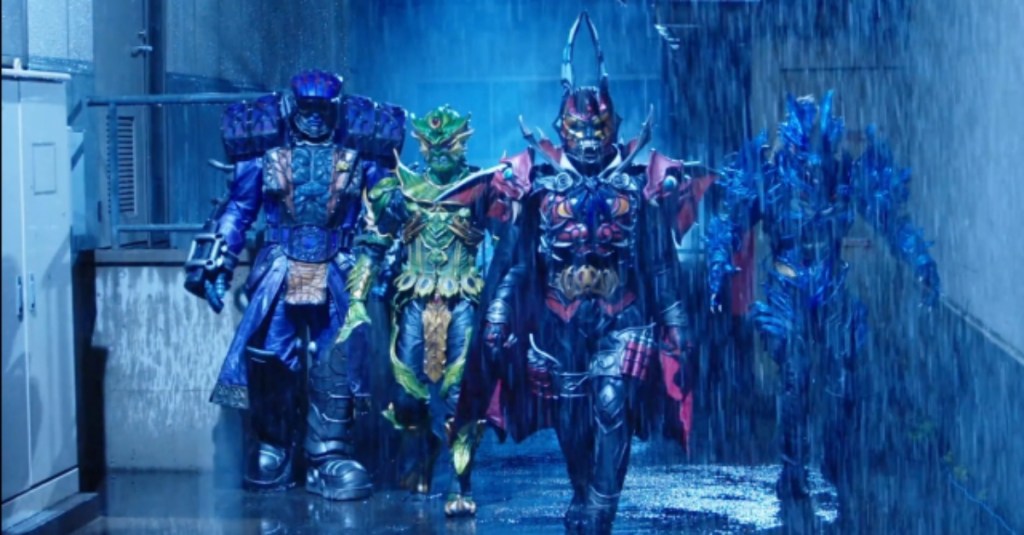

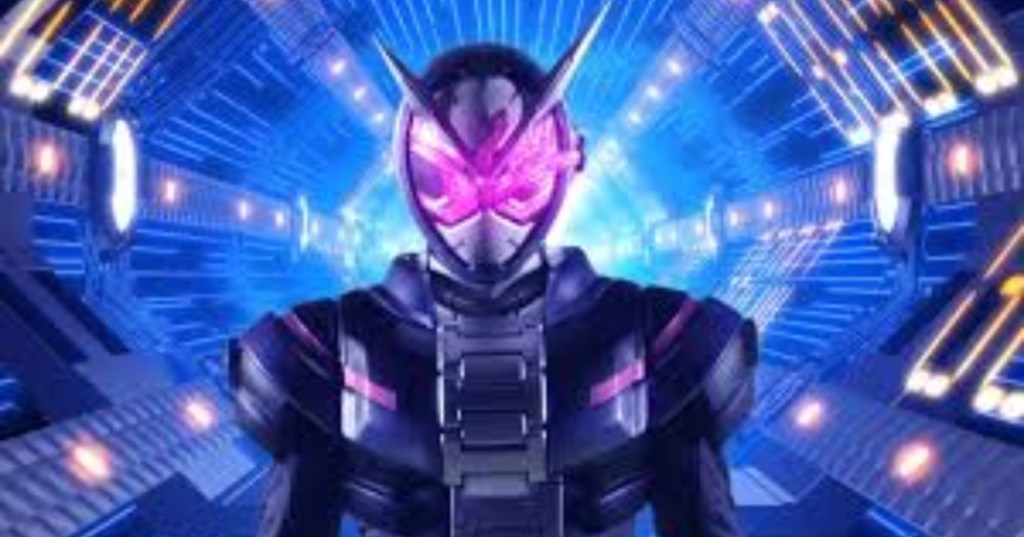
In the far future of Kamen Rider Zi-O, Tokiwa Sougo is a vile overlord who has taken over the world, decimating its resources and ruling with an iron first. After a devastating loss, a rebel movement decides to send two young soldiers back in time to stop him. The problem? Young Sougo is a kind-hearted young man who dreams of becoming a king to help people. Deciding against killing him, Tsukuyomi and Geiz vow to keep watch over Sougo, hoping to guide him to a better future. However, the Time Jackers, villainous time-travelers, are jumping through the past, using the power of Heisei-era Kamen Riders to change history. Taking on the power of past Riders, Sougo becomes Zi-O and travels through time to stop these dark reflections of his predecessors.
Zi-O is another anniversary season, but given that I had a bit more background in Kamen Rider, I was much more satisfied with the references and cameos throughout this season. The fact that we actually got to meet former Riders again led to some truly entertaining moments, and the heavy inclusion of Decade, the prior time-traveling Rider, as a sort of antihero/ temporary villain was a welcome addition. The season really united the franchise across its multiple dimensions in fascinating ways. I especially loved the Kamen Rider Ryuki “reboot” episodes, as they added a much needed intensity to the series.
With all of these positives, you’d expect this season to be higher on the list, right? Well, I just never fully connected with it. I loved the story arcs, the references, the addition of never before seen Riders, but nothing really stuck with me. That’s kind of the danger of anniversary seasons of any show, though. You run the risk of rehashing old tropes, and that was unfortunately the case with Zi-O. It never stood out as anything but an anniversary season, which is a shame given that it had so much potential. Still, despite its shortcomings, this is a season perfect for long-time fans of the franchise.
7. Kamen Rider Kiva


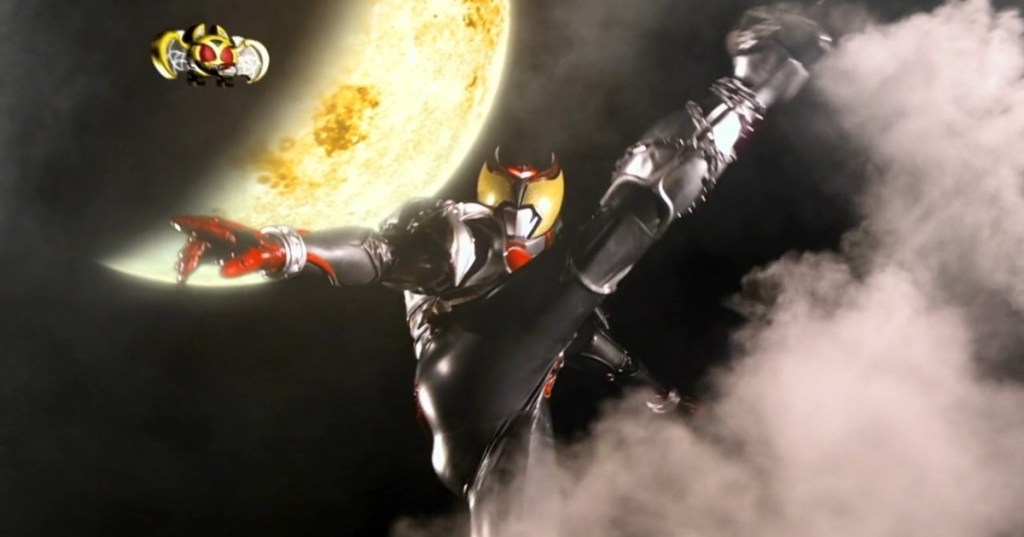
Kamen Rider Kiva is split between two time periods. In 2008, Kurenai Wataru, a socially awkward shut-in, attempts to make his way into the wider world. Using weapons and powers inspired by classic horror monsters, Wataru becomes Kamen Rider Kiva to battle the vampiric Fangire race that are consuming humans. Twenty years earlier, Wataru’s father, an arrogant womanizer named Otoya, took on the same fight alongside the Wonderful Blue Sky Organization. The story switches between the two times, showing how Wataru’s fight mirrors his father’s, especially as the two come into conflict with the Fangire royals known as the Checkmate Four.
Given my love and obsession with horror, I expected to like Kiva a lot more than I did. The second quarter of the show, where it fully dove into the monster-of-the-week formula, feels glacial in its pacing. The intense focus on Wataru’s social awkwardness, while endearing later in the series when the romance subplots come into play, feels unnecessary here, and I just wasn’t that big of a fan of Otoya’s plot at this point. Also, much of the worldbuilding and character development outside of Wataru falls to the wayside, even as the action and stakes intensify (see especially the King of the Castle in the Demon World film).
Many of these issues are rectified as the series continued on, and the rough beginning doesn’t overshadow the good that comes after. The romance plotlines of the second half of the series and the introduction of the Checkmate Four gives this show the push it needs. Not only does the action intensify, but the more intimate focus on Wataru and his connection to the Fangires feels much more satisfying. I even found Otoya less annoying as the series continued, especially as Wataru’s mother is introduced and we learn more about their relationship. Far from a perfect season, Kiva is still an enjoyable, action-packed romp with some great references to horror tropes.
6. Kamen Rider Gavv


The Stomach family, the villains of Kamen Rider Gavv, rule the Granute world from the shadows, using their highly addictive Dark Treats to keep the populace under their thumb. These interdimensional drug– I mean, snack dealers have built their criminal empire for decades, using humans as the secret ingredient. Inoue Shouma, the bastard half-human son of the Stomach patriarch, escapes from his evil family and arrives in the human world. After discovering the joys of his mother’s home world, especially the food from which he gains his powers, Shouma vows to defend human happiness by battling his siblings and stopping their Dark Treat production.
At the time of writing, Gavv is the most recent season I have finished, and I absolutely adored my time with it. It isn’t perfect. It needs a bit more work on its character development and pacing. The villains especially never get their chance to really feel like a threat. Some of the biggest enemies faced by these snacky heroes are only a major threat for two or three episodes. I understand that some of this stems from issues faced during production, but it does become apparent, especially when the Stomach family starts fully getting into the fight.
Despite these gripes, though, Gavv is an excellent modern season. The design work is excellent, and this is one of the most likeable casts in the entire franchise thus far. Seriously, I’d just love to hang out with this group of lovable idiots in real life. And I think that is really at the heart of the positives for this season. It is just fun. Every episode is just a joy, even as the season gets darker and more serious as the episodes fly by. It got repetitive at times, sure. However, maybe it was the bright colors, or the candy focus, or the themes of found family and happiness, but in the end, I ate this series up (pun entirely intended).
5. Kamen Rider Zero-One
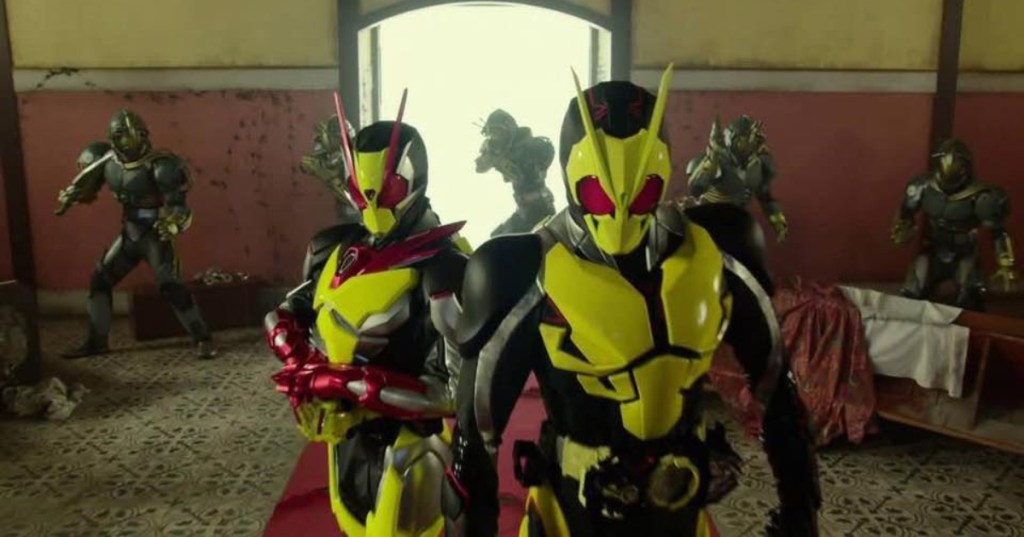

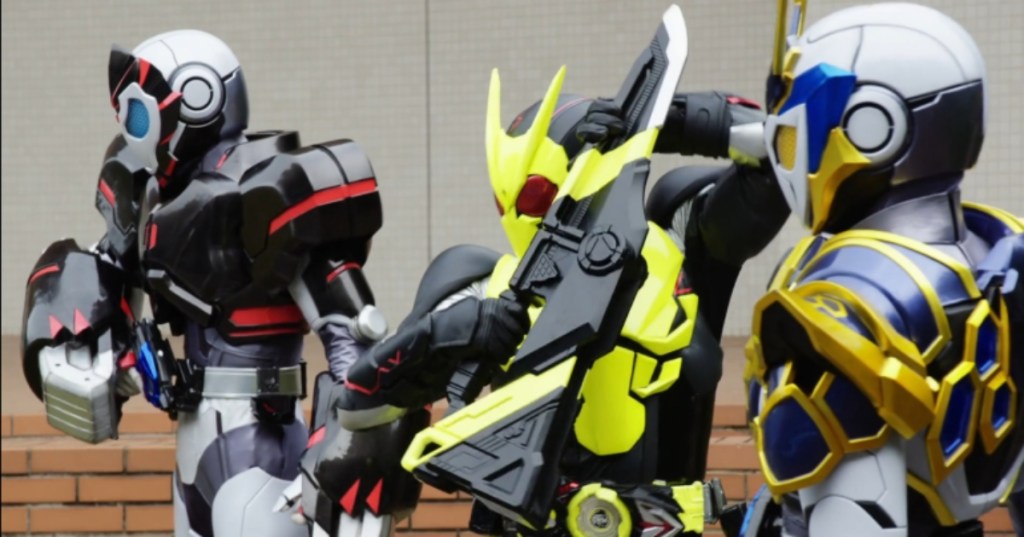
Kamen Rider Zero-One follows Hiden Aruto, a wannabe comedian that inherits his late grandfather’s company, Hiden Intelligence. The world’s biggest developer of Humagears, androids that aid in everyday tasks, Hiden Intelligence was at the center of a major catastrophe years earlier, wherein the Ark Satellite forced Humagears to decimate a major city. Now, Aruto must prove the worth of these androids to a scared populace, while also taking on the mantle of Kamen Rider Zero-One to battle rogue Humagears still under the control of Ark. Known as MetsubouJinrai.net, these rebel AIs can turn Humagears into violent monsters with one goal: the extinction of the human race.
Zero-One was my second Kamen Rider season, but in a way it was the show that introduced me to the fandom. I remember watching clips of the Henshins and fight scenes online long before I knew anything about the franchise, and I was amazed at the incredible effects work that they used and the over-the-top transformations. In a way, this was the best part of this series. The summoning of robotic “spirit animals” for each transformation leads to some truly insane visual sequences, and the way these transformations integrate themselves into the fight scenes provides a level of realism that I wasn’t expecting.
Zero-One does an incredible job showcasing its large cast and building its immense world. The show gets a lot goofy; Aruto’s puns are a constant throughout and some of the episodes feel more like filler than actual content. While this does give the show a lot of personality, it can leave you wanting more at times. However, for the vast majority, especially when it focuses and gets deadly serious, I couldn’t wait for the next episode. This series did a lot to define what Kamen Rider was for me, and while it falters in some areas, it greatly excels in others.
4. Kamen Rider Ryuki


Kido Shinji, an amateur reporter, is investigating a disappearance when he stumbles upon a mysterious deck of cards at the start of Kamen Rider Ryuki. After picking it up, he learns that a parallel world to our own exists on the other side of reflective surfaces. This Mirror World is home to Mirror Monsters, which slip into our world to consume humans. Shinji, forming a contract with the monster known as Dragredder, transforms into Kamen Rider Ryuki to fight them. However, this isn’t just another superhero story. There are thirteen decks and Riders, and only one can survive a battle to the death to achieve their greatest wish.
Now, we get to the point of the list where things get fuzzy. The amount of times I have switched my top four around is insane. Each of these series is peak Kamen Rider in my mind, and they are all interchangeable for this “top spot.” I decided to put Ryuki at four because it is somewhat a victim of its time. Some of the effects work can look a bit dated at times, and the huge cast of characters doesn’t always get the focus it deserves. This especially goes for female lead Yui; while generally well-written, especially for the time, she never really gets the chance to stand out on her own. I would have loved to see her story get more attention, but sadly, she kind of ends up as the damsel in distress later in the series.
These are minor nitpicks, however. In all, Ryuki is an excellent early-Heisei-era series, and one of the best series in the franchise. There’s a reason so many different seasons make reference to this game-changing story. The action is incredible, the effects were revolutionary for their time, and overall, the storytelling is near perfect, dark and serious but with plenty of levity to make you fall for the cast. Even with its faults, Ryuki stands as a defining season of this franchise, and it really helped prove to me that I just love a battle royale season.
3. Kamen Rider Build

Ten years before the start of Kamen Rider Build, astronauts return to Earth with a mysterious Martian artifact named Pandora’s Box, but during its unveiling, the device unleashes a massive wall that split Japan into three separate territories. Now, in the modern day, monsters known as Smash are attacking the territories. Amnesiac scientist Kiryu Sento has discovered a way to utilize the energy of the Smash, creating devices that transform him into Kamen Rider Build. As the truth about Pandora’s Box comes to light and conflict rages between the three nations, Sento will have to confront the secrets of his own past and join with Riders from the other territories in order to save the world from total annihilation.
Build might just be the most ambitious season of Kamen Rider. The creation of this dystopia is brilliantly handled, and it is a joy to explore each of the three new countries created by the separation of Japan. Build’s transformation gimmick, the combination of various powers, leads to some amazing designs, and the way that the power informs the story and vice versa is a master class in how to develop a science fiction narrative. Also, the way the series addresses its themes, namely the benefits and dangers of science, feels very prescient in the modern day, especially with the explosion of new technology sweeping the globe and the ethical questions they bring into focus.
About the only issue I had with Kamen Rider Build was that its story followed the same beats over and over again. The series is a battle royale season without the extensive list of Riders, with each country hosting tournaments for political power every time a new Rider is introduced. It is never uninteresting, and the characters behind these conflicts are some of the absolute best in the franchise. Especially as the series closes in on its final act and literal war breaks out, it all pays off, but if I had to find a single negative, it would be the slight repetitiveness of the season.
2. Kamen Rider Geats

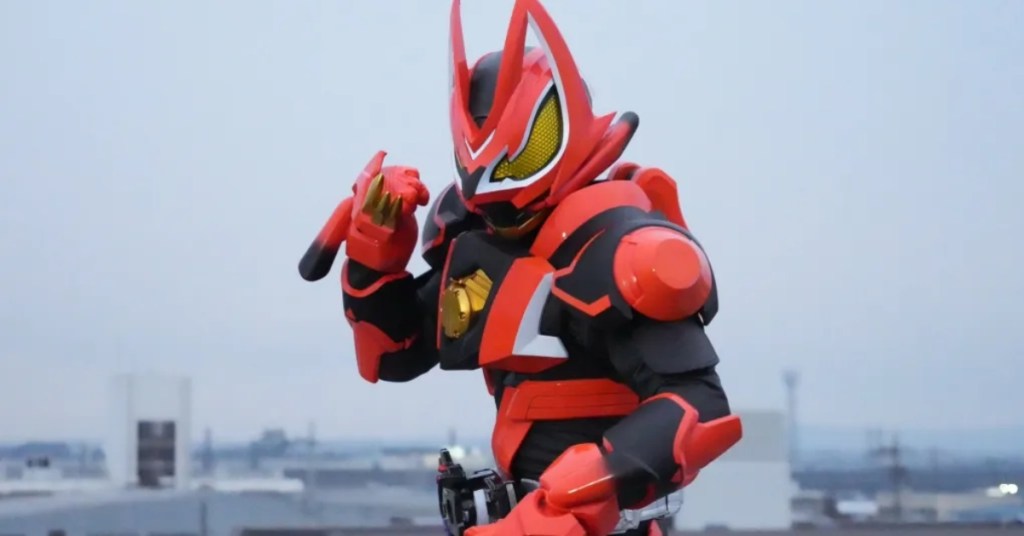
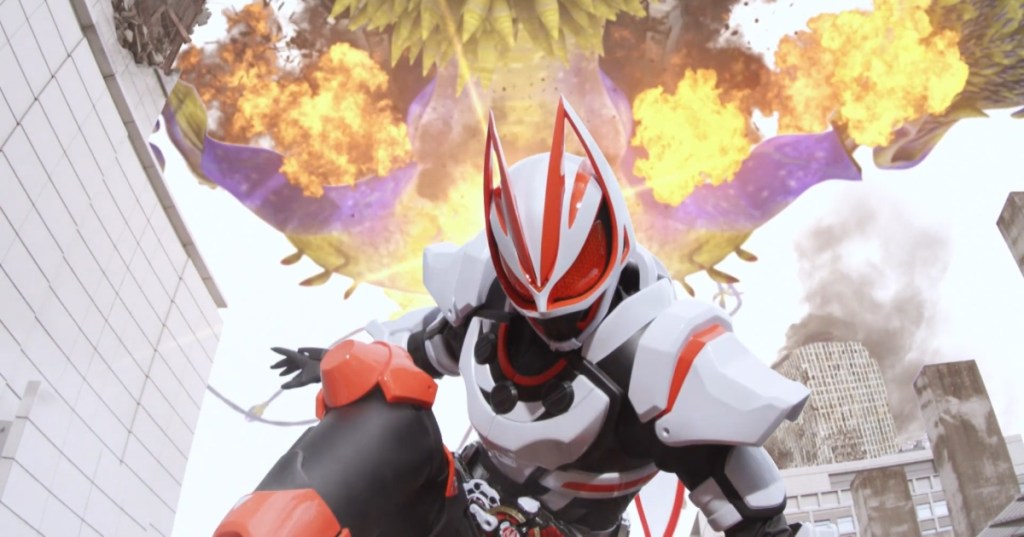
The centerpiece of Kamen Rider Geats is the Desire Grand Prix, a tournament wherein Kamen Riders are chosen to compete to see their greatest dreams come true. Ukiyo Ace has been the reigning champion for years, competing as Kamen Rider Geats in the fight against the plant-based Jyamato monsters. However, as new Riders join the fight and secrets of the Grand Prix’s origins come out, Ace and the other heroes must decide where their loyalties lie and whether they can sacrifice themselves just for the entertainment of others.
Let me put this here: Kamen Rider Geats was my first season of the franchise. It is the show that introduced me to my current favorite fandom, and for that reason, I have an extremely biased view of this season. It is definitely seen through rose-colored lenses thanks to what essentially boils down to nostalgia. I know the series has its faults, but I never fully saw them. I can admit that the plot gets a bit complicated as time moves on and some of the CGI looks a bit rushed, but it never bothered me. I was just amazed by this introduction to a world unlike anything I had seen before.
The design work is among the best in the series. The final forms, especially, are some of my all-time favorites in the franchise. The character work is incredible, with each Rider getting enough spotlight to feel important. Even characters that are only on screen for a brief time feel like real people, and given the enormous cast for this season, that is a feat that can’t be overlooked. The twists, while complex, never felt like they came out of nowhere. Each plot point built on the last in a way that anyone with an interest in storytelling needs to study. All in all, Geats is incredible in almost all categories, and it is the series that I would most recommend for anyone looking to dive into the series for the first time.
1. Kamen Rider Gaim

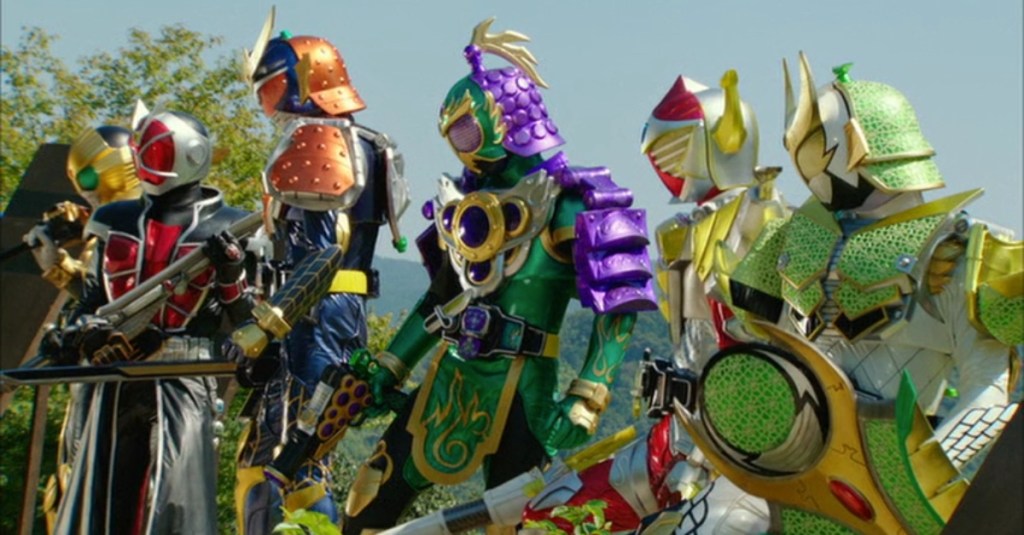
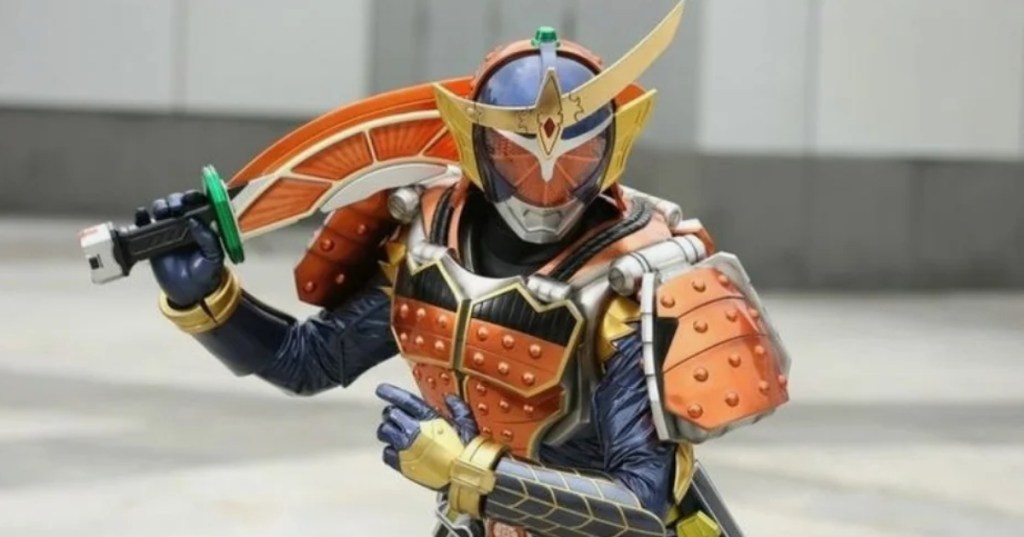
Kamen Rider Gaim starts out simple. Rival dance teams take center stage, competing for fame, but as new technology arises, they stop settling disputes with dance. Using Lock Seeds, members of each crew gain the ability to transform into Armored Riders. Kazuraba Kouta represents Team Gaim, using his citrus superpowers to defend his friends in this battle for superiority. However, with this new power comes a deadly new threat. Plant-like monsters known as Inves invade Zawame City, and the Yggdrassil Corporation, which runs the city, have an odd connection to these mysterious creatures and to the strange forest home from which they come. Soon, things become about far more than just rival dancers, spiraling into a conflict that will decide the very fate of the world itself.
It was difficult for me to choose a top Kamen Rider series, to which I’ve already alluded. That said, I have to give that top spot to Gaim. The way in which the story unfolds steadily is a masterpiece. It never rushes, slowly introducing new elements until the series at episode one looks drastically different than the series at episode 40. Not only that but it brings together most of the best plot devices from throughout the series. It is a battle royal series, a monster-of-the-week battler, a dystopian nightmare, a grandiose science-fantasy adventure, a mystery, thriller, all of which comes together to create a fantastic season.
All of this would have failed, however, if not for the incredible cast of characters. This is another series that takes on the immense challenge of introducing dozens of important characters, but it never feels overloaded. Every character matters. Everyone gets their time on screen. Their motivations are all clear, and the execution of each morally complex character feels immensely satisfying. The character development is intricate, and while many fans aren’t happy with some of the character decisions, no one can deny that their choices make complete sense for them. This is one of the best written series in the franchise, and I think anyone with an interest in Kamen Rider as a whole should do themselves a favor and give this series a try.
 Nerdy A-Z
Leave a comment